Have you noticed “regenerative” popping up on food labels or in marketing ads? It sounds promising – farming that heals the soil and helps stop climate change. So, what does it actually mean? Will this label make any real difference?
The catch is there’s still no agreed-upon definition for regenerative agriculture. So how can food products branded as regenerative be verified if meanings are disputed?
There’s no way of knowing whether “regeneratively grown” claims are genuine or effective without a monitoring, reporting and verification system. How does regenerative compare to organic? Many farmers and researchers worry the term is ripe for greenwashing in food marketing and product labelling.
The first thing to say is that this term has been around for decades.
Take 21st-century regenerative agriculture champion Gabe Brown. He is a well known North Dakota rancher and author of From Dirt to Soil, the holy grail of regenerative agriculture manuals. Brown documented how he replaced synthetic fertilisers with compost and diverse cover crops. He transformed his parched, trampled and microbe-depleted soil into a nutrient-rich system and boosted crop yields. He has inspired farmers worldwide.
The original definition of regenerative agriculture, coined by Robert Rodale of the Rodale Research Institute in the US over 40 years ago, focused on soil biology as the key to supporting nutrient recycling between plants, animals and the land, leading to healthier crops and improved economic productivity without agricultural chemicals.
Even back in 1943, The Living Soil by British farmer and botanist Eve Balfour critiqued chemical-intensive industrial farming practices. Her book was a seminal text in the organic farming movement and led to her founding the Soil Association charity.
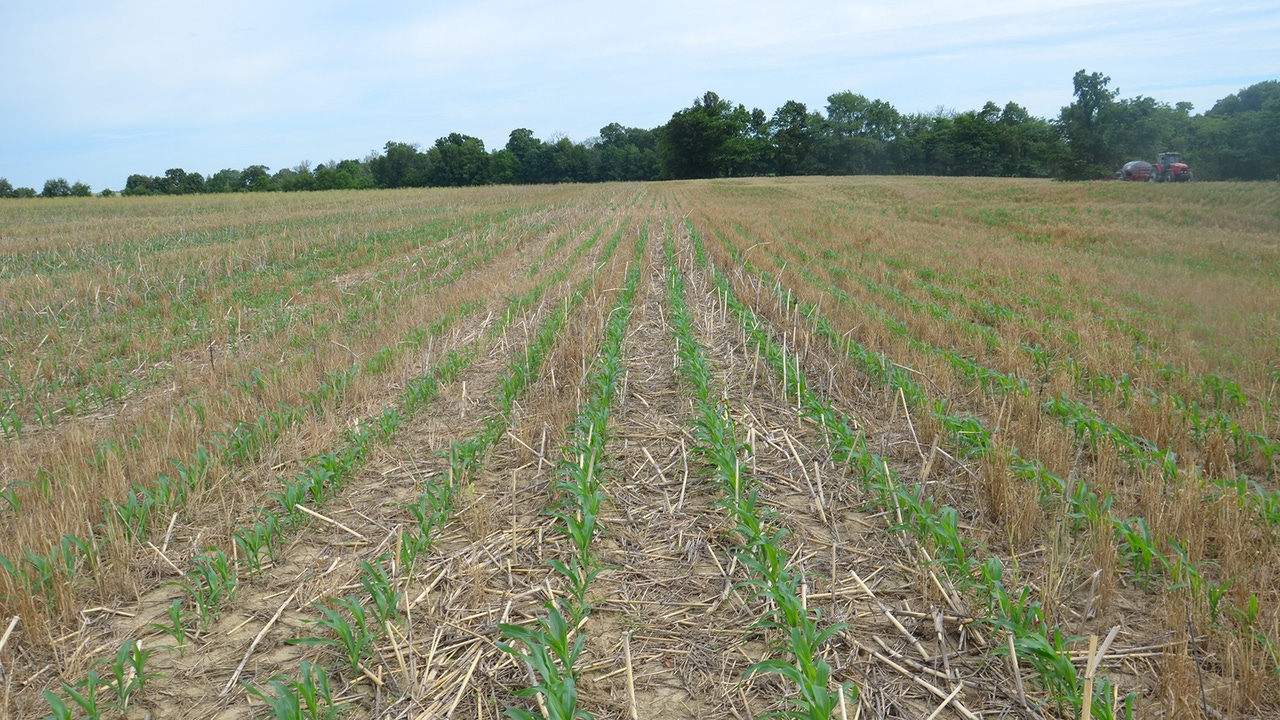
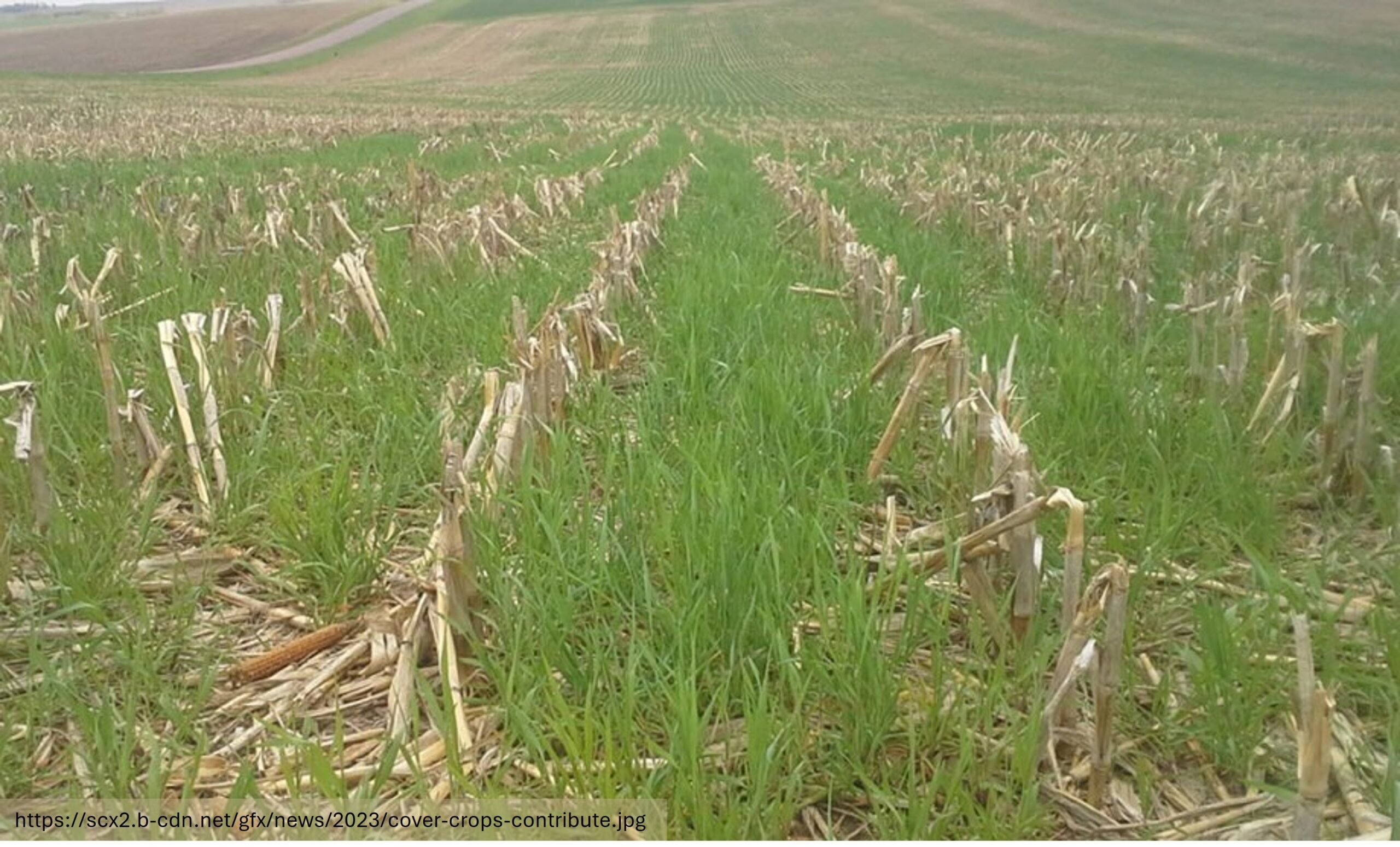
Regenerative and organic methods overlap. Both involve crop rotation (changing the crop type grown in a field to manage pests and minimise disease) and diverse cover cropping (growing beneficial crops to protect the soil all year round alongside production crops to prevent erosion and increase organic matter).
They both require minimum or no ploughing (leaving the soil partially or completely undisturbed to maintain soil structure, hold water and allow soil organisms to thrive), and focus on composting (turning organic matter into nutrient-rich material for soil microbes).
Both types of farming also welcome cows, pigs, sheep and other livestock onto farmland to fertilise the soil by grazing and pooing. And both prioritise soil health and see chemical inputs as harmful to thriving ecosystems.

But regenerative agriculture is not just another way of saying “organic”.
Organic is a much more prescriptive definition. It has strict rules, certification standards and inspections from certifying bodies. Organic excludes the use of synthetic pesticides, fertilisers and genetically modified seeds.
It enables certified organic farmers to enjoy premium prices and offers consumers assurance about what organic does and does not allow. It offers transparency on agrichemicals, though does not offer data and information about biodiversity or greenhouse gas emissions.
Regenerative, in definition and practice, is not so clear – it operates as a broad set of guiding principles that can be adapted to a particular farm circumstance in a flexible way.
This ambiguity is a double-edged sword. It gives farmers the freedom to tailor regenerative principles to their contexts, but it can also leave consumers feeling dazed and confused.
Many UK farmers view this flexibility as necessary, given each farm operates within a different combination of local environmental conditions (like soil type or microclimate) and business goals. A one-size-fits-all definition and approach to regenerative agriculture seems impractical in such diverse settings
This is where it gets messy. An organic carrot might be grown in a monocultured system (associated with reduced biodiversity), while a regeneratively farmed carrot might be grown in a biodiversity-rich cover-cropped system, but with the use of some synthetic chemicals like glyphosate.

The lack of a standardised definition risks undermining the credibility of regenerative farming. Certification programmes aligned with regenerative principles could help regenerative agriculture gain more accountability while staying true to its core vision. Without monitoring, reporting and verification systems in place, it’s very difficult for farmers to credibly market their crops as “regenerative”.
Shopping for regenerative foods
Regenerative agriculture could drive the expansion of carbon-neutral foods beyond speciality products like chocolate, wine, coffee and tea, to more everyday items in our shopping baskets.
By design, regenerative agriculture lowers greenhouse gas emissions associated with farming — everything from potatoes and wheat to bananas and tomatoes. It reduces the reliance on synthetic fertilisers which are carbon intensive to produce, cuts fuel use and promotes no or minimum tillage and cover cropping that pull carbon from the atmosphere into the soil.
If evidenced through regenerative agriculture standards and certifications, these efforts could create a food system that is not only sustainable, but also carbon neutral. As this movement gathers momentum, it could reshape supply chains and up the ante on corporate sustainability commitments. Supermarkets and businesses might proactively choose to source their food products from regenerative farms to reduce their climate impact.
So, what does all this mean for your weekly shop? While the term regenerative might not yet offer the clarity of organic, your consumer choices matter. When you buy food labelled as regenerative, you’re signalling to the retailer that soil health and sustainability matter to you.
Hold suppliers to account by asking questions. Look for clear information about how products are sourced, the farming practices used and the environmental impact of those practices in labels. Do any certifications or reports verify these practices? Are greenhouse gas emissions reported? Which environmental outcomes have been achieved?
We believe that the revival of regenerative agriculture has potential to help reform and transform our food and farming systems. The future of carbon-neutral food hinges on clear accountability measures and how this regenerative agriculture market evolves.
By Jessica Chapman and Brian Reid