Eric Prostko, March 26, 2025. Original article: https://www.farmprogress.com/weeds/growing-food-without-pesticides-
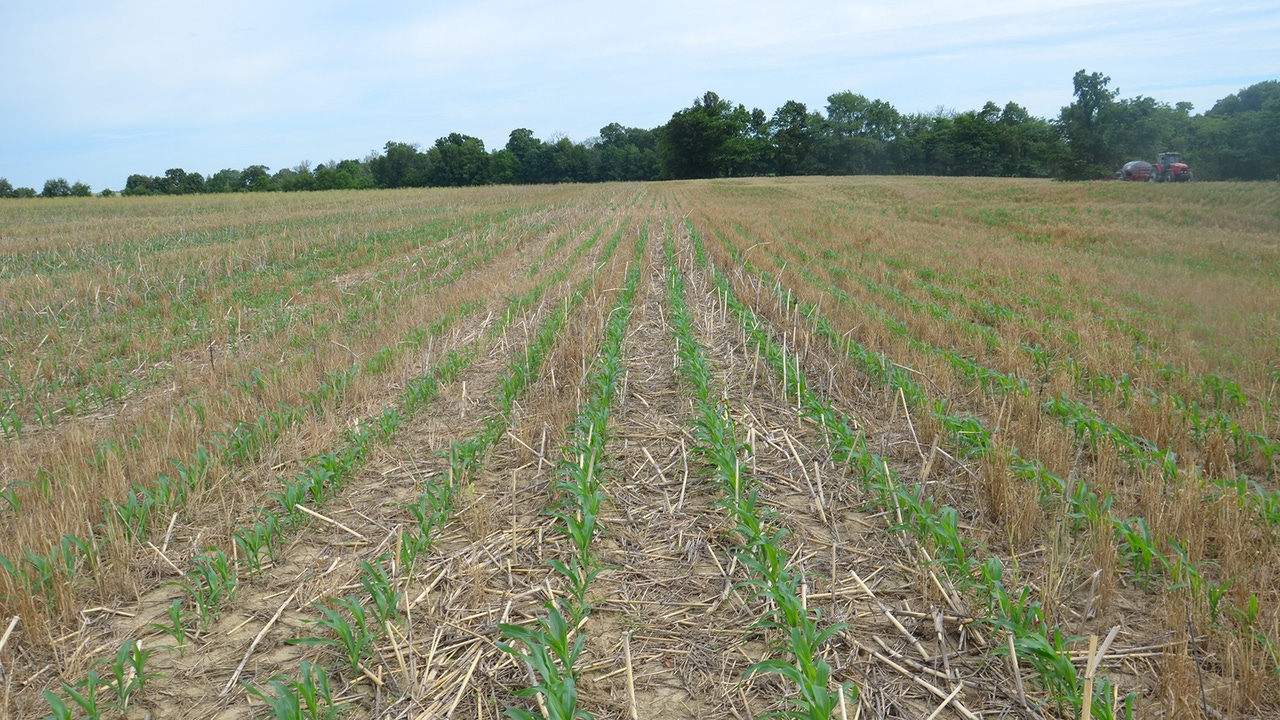
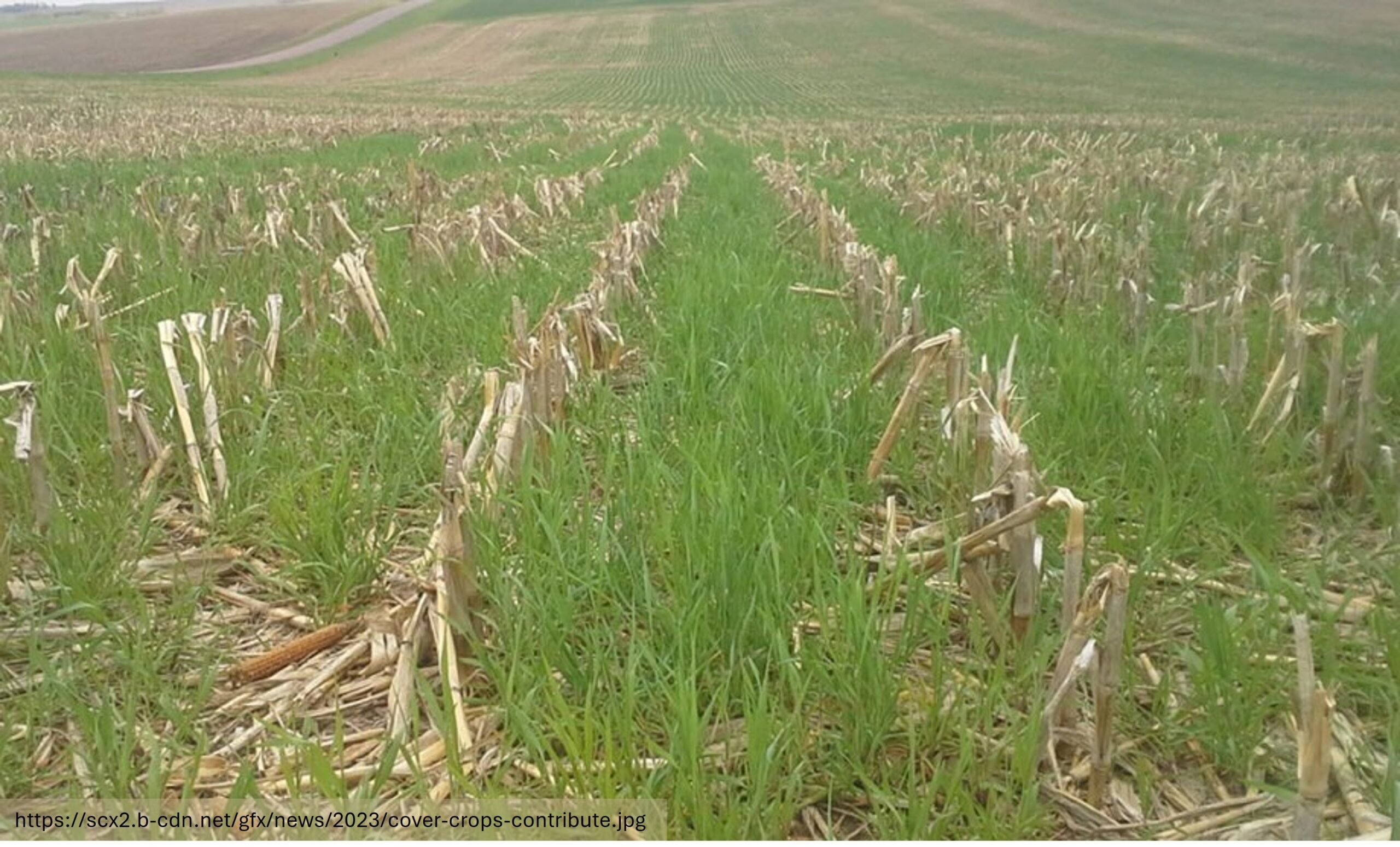
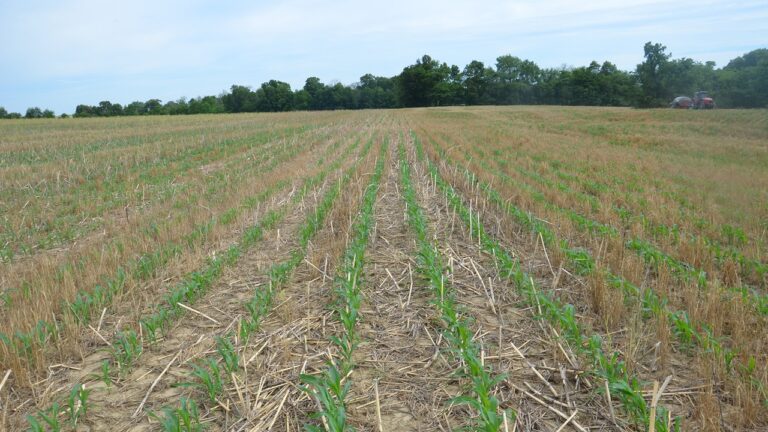
“Regenerative” practices such as crop rotation, cover crops, conservation tillage and integrated pest management have been implemented, at some level, on many row crop farms for years.
I am an avid listener of several podcasts on many topics. I appreciate the diversity of people and topics that podcasters have on their respective shows. The UGA peanut podcast “All About the Pod” is a pretty awesome one.
Sometime in the last several months, a few of my favorite podcasters have interviewed speakers addressing the concept of “regenerative agriculture.” Despite more than 42 years of working in production agriculture, I was a bit unsure of what that concept really meant. Generally, the take-home message that I heard from these specific podcasts was that this would be the only acceptable way to produce food in the future.
The Noble Research Institute, a non-profit organization dedicated to farm and ranch education, defines regenerative agriculture as “the process of restoring degraded soils using management practices,” such as adaptive grazing, no-till planting no or limited use of pesticides and synthetic fertilizers, based on ecological principles. Someone put a ton of thought into that one, but there is much to unpack here.
I have worked as a row crop county agent and Extension specialist in three separate areas of the U.S. for 33 years and am pretty sure that every farmer that I have worked with did not have a “degraded” soil. Every grower knows that soil health is paramount to success. All plant life begins there. Other “regenerative” practices such as crop rotation, cover crops, conservation tillage and integrated pest management (IPM) have been implemented, at some level, on many row crop farms for years.
There are three things that concern me in regard to this particular definition of regenerative agriculture that many might not be thinking about. These include:
- Increasing U.S. and world populations
- Loss of productive farmland
- Yield reductions associated with “organic or no pesticide” farming
According to the Congressional Budget Office, the U.S. population is estimated to increase to 383 million by 2054. OurWorldinData.org is predicting the world population to increase to 9.81 billion by 2054. That’s a lot more mouths that farmers will have to feed.
Recent USDA surveys clearly show that the amount of U.S. farmland is on the decline. This acreage reduction trend should be a great concern to all because of these projected increases in population. Where are we going to grow all this food? As far as I know, the Good Lord is not making any more land with the possible exception of Hawaii, which has active volcanoes to potentially add land overtime.
A 2023 meta-analysis of 105 studies that compared organic and conventional farming indicated that the crop yields of organic farming were on average 18.4% lower than the yields of conventional farming. In the future, our country and world will need more food, not less. Limited weed management options that are acceptable for certified-organic production are one of several factors that can contribute to reduced yields in organic systems.
It has been my experience that growers have three main goals in mind:
- Make a decent living
- Leave their farm and land in way better shape than when they got it
- Pass it on to the next generation
This would be my simple definition of “regenerative agriculture.”
Nothing in this world, with the exception of my wife and best friend of 42 years, is perfect. For sure, production agriculture can always do better. But, just about every person that I know who lives and breathes agriculture every day is more than willing to have an open discussion about any new science-based pest management strategies that might be available for practical use.
However, this discussion must also include the use of pesticides. If not, I fear that many folks might get hungry? I am hopeful that the podcasters that I regularly follow will consider talking about all sides of this important story. There is much common ground.