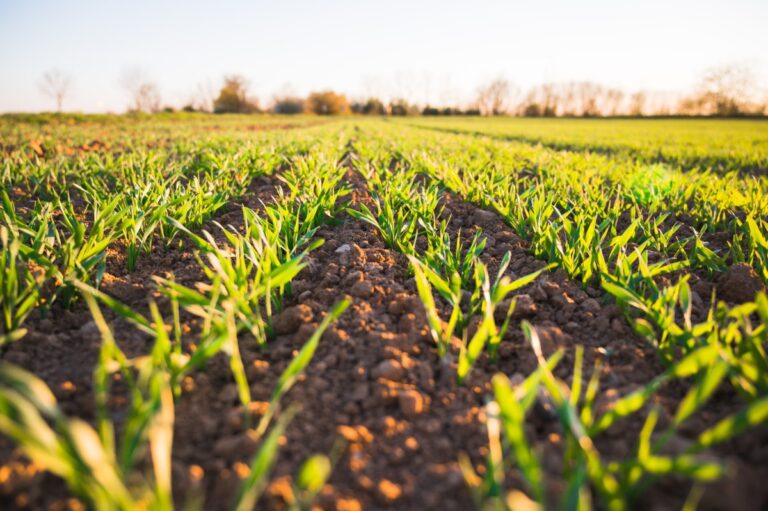
Follow this advice to improve soil health by feeding soil microbes, maintaining crop growth and minimizing disturbances for better plant performance
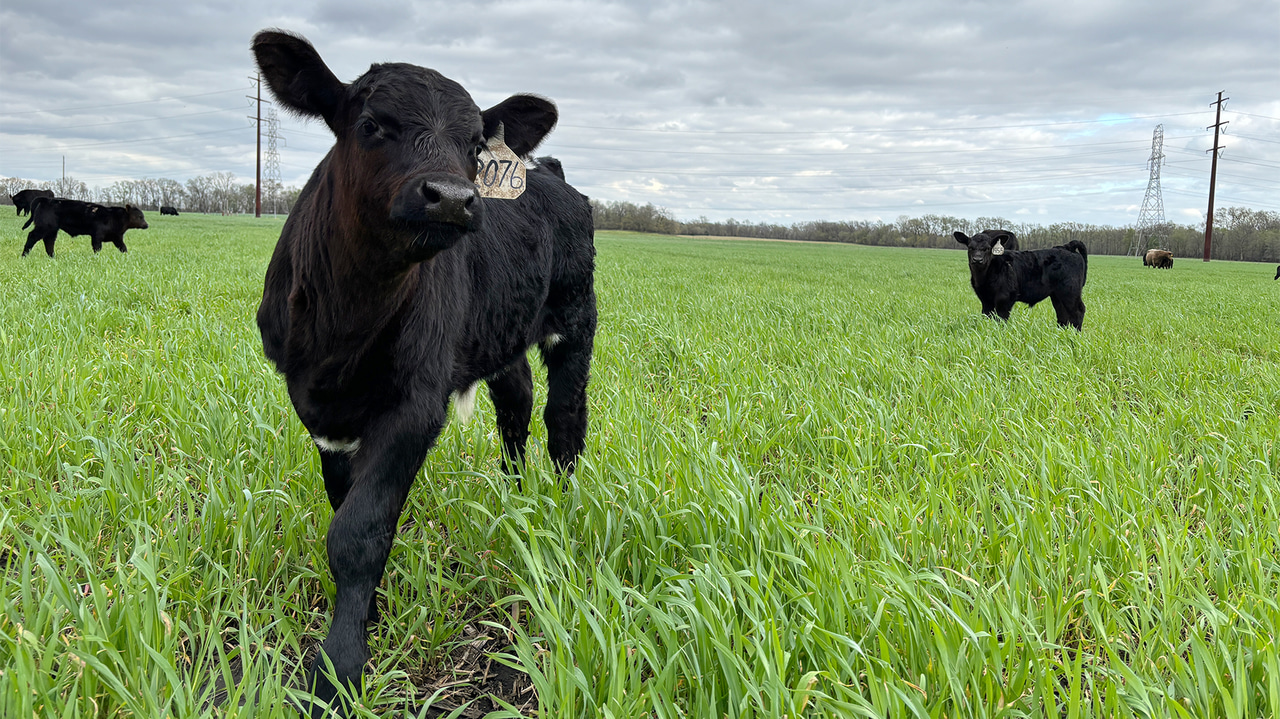
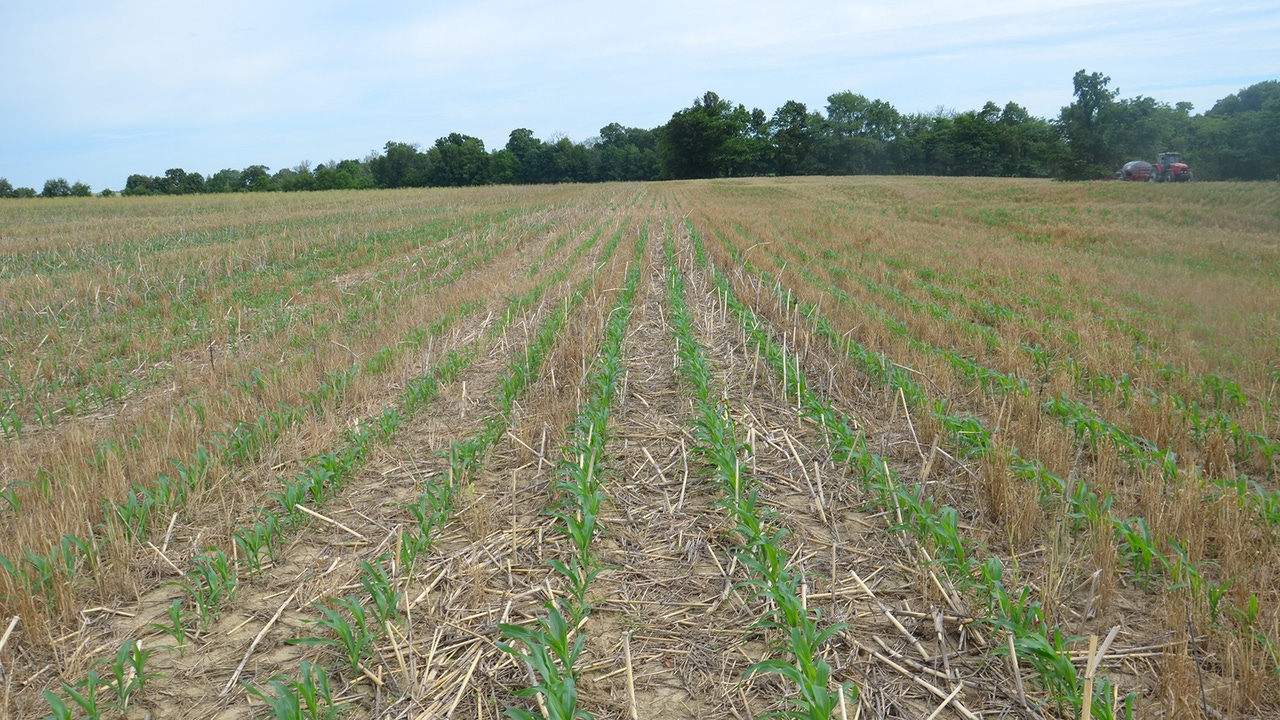
2 TYPES OF LIVESTOCK: While the cattle may seem like the only livestock in this field, there is another type of livestock just below the soil surface. Viewing soil microbes as “livestock” will help you care for the soil and better provide for your crop. One measure taken here to feed the soil microbes is maintaining a growing crop all year. Allison Lynch
Soil health has a direct impact on plant health, and caring for your soil first means the benefits of healthy soil can provide immediate effects to your crop. As Neal Kinsey, owner of Kinsey Agricultural Services, puts it, fertility required for the soil and plants are one and the same.
“The soil is the plant’s stomach,” he says. “And when we mess up the soil, we’re messing up digestion for the plant.”
Kinsey recommends viewing the organisms in your soil as “livestock” to help you focus on properly caring for and maintaining them. For example, he shares that an accurate depiction for very poor soil life in need of help could be one cow per acre when it comes to the inputs needed to care for the soil microbes. This simply makes it easier for you to view the soil as a living medium when making amendments and improving soil health.
Feed ‘the cow’
Caring for the “cows” in your soil may seem daunting, but there are some tips for success when it comes to improving soil health. Kinsey and RJ Rant, owner of Terraform Ag and Nutrilink Biosystems, share how you can feed your soils to in turn feed your plants:
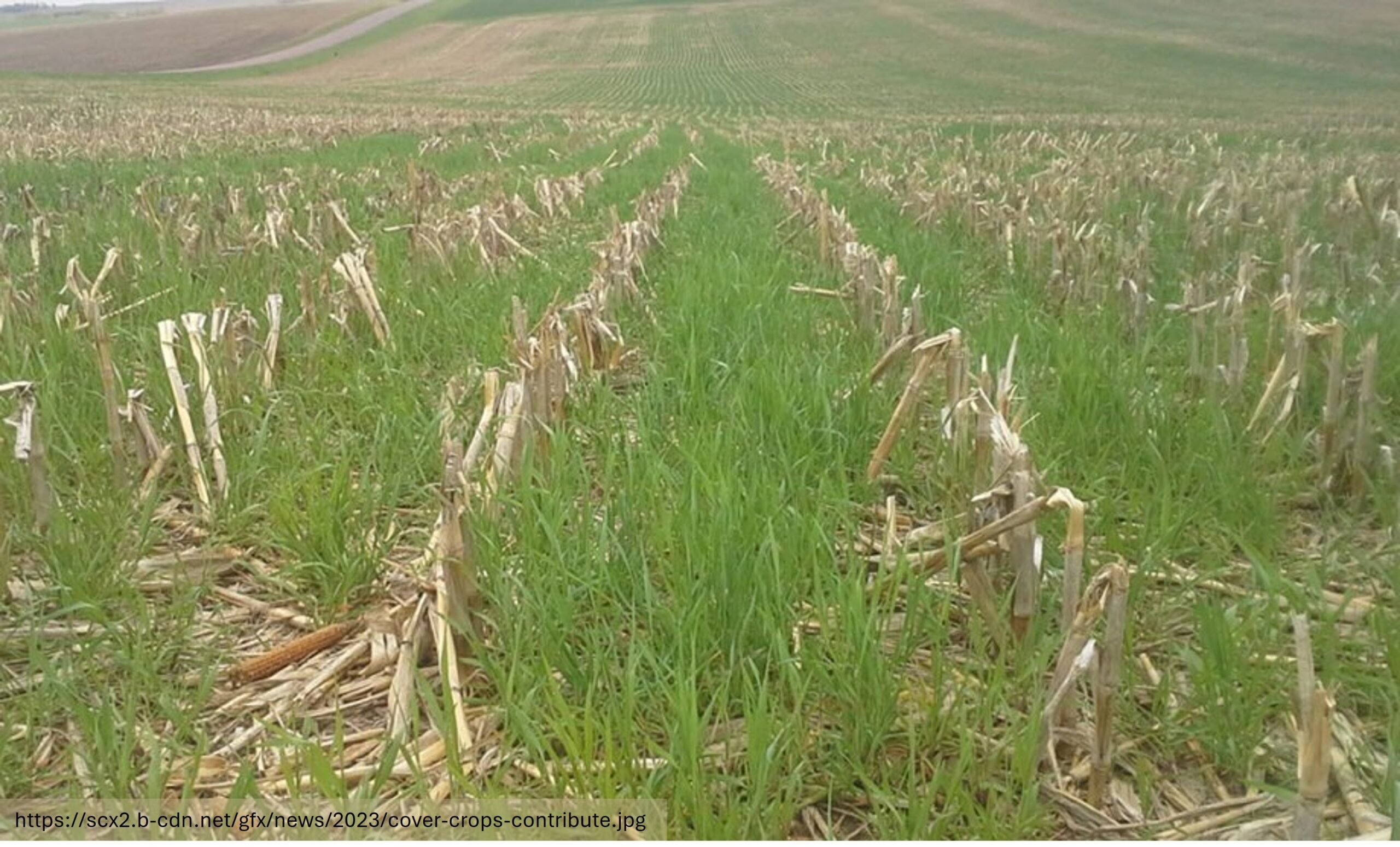
Keep a growing crop. Including a cover crop in the off-season can improve soil microbe presence and microbe community structure. You are not able to grow the soil without growing a crop.
“A soil not growing anything is a soil dying,” Rant says. He adds that implementing crop rotation and cover crops will help you continue to improve soil health.
Move past sufficiency. Simply supplying enough nutrients to reach sufficiency levels will not help you feed and improve your soils, Rant shares. Getting past the “just enough” level of fertility will continue to develop soils rather than maintaining the current growing crop.
“If you go past sufficiency and have abundance, you can better drive photosynthesis,” Rant adds.
Correct all your soils. Don’t only focus on your problem soils when improving soil health. Kinsey says when you do that, another field can quickly become the problem. Rather, spend time learning more about how you can improve all your fields and soils, even if they do not present any issues in the short term.
“To maintain top yields, even the best soils at times need corrections,” Kinsey says.
Study nature. It can be easy to head online and look up how to improve your soil problems, but ultimately, you will learn more by doing. Test different practices and experiment with soil amendments until you see what pays off in your crops.
“How do you know what works?” Kinsey asks. “You do it yourself. You find out for yourself. And you don’t find out everything at once.” He adds that you should test things for at least three years before you judge whether it works or not.
Minimize disturbances. All disturbances will affect soil function, according to Rant. He shares that tillage events can be viewed as concussions. Over time, those events can build up and cause a chronic issue with soil fertility and, ultimately, plant performance.
“If you’re making a disturbance, have a good reason,” Rant adds.
Viewing soil as an ecosystem or thinking of soil microbes as your livestock will help you shift your focus to improving soil health and structure to care for your crops.
“It’s not just dirt, which is your sand, silt and clay,” Rant says. “It’s humus and living organisms, and it’s how those things are interacting constantly.”