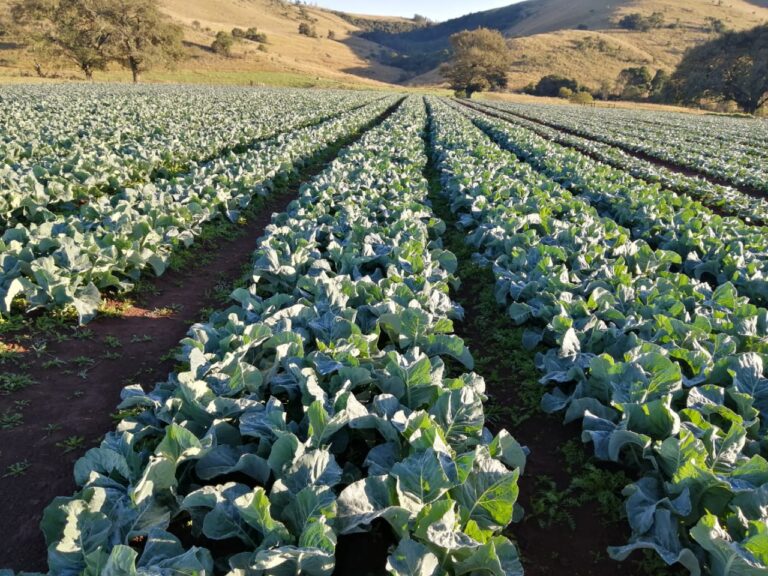
Plant nutrients can be provided by mineral, organic or organo-mineral fertilizers, as well as through natural processes such as biological nitrogen fixation or the weathering of soil minerals. A wide range of products supplying one or more essential mineral nutrients are available to farmers.
Growers can combine their fertilizer applications with plant bio stimulants—a tool for sustainable agriculture. Plant bio stimulants are products that contain substances or micro-organisms that stimulate the natural processes of plants and soils that lead to benefits such as better nutrient uptake, more resistance to abiotic stress such as high temperatures, and improved yield and crop quality.
A fertilizer is any material of natural or synthetic origin that is applied to soil or to plant tissues to supply plant nutrients (food for the plant). These are used by the farmers daily to increase the crop yield. Fertilizers are distinct from liming materials or other non-nutrient soil / growth amendments. Many sources of fertilizer exist, both natural and industrially produced. Modern agricultural fertilization practices, focus on the three main macro nutrients: nitrogen (N), phosphorus (P), and potassium (K) with occasional addition of supplements for the secondary and micronutrients. Farmers apply these fertilizers in a variety of ways: through dry or pelletized or liquid application processes, using large agricultural equipment or hand-tool methods.
Fertilizers enhance the growth of plants supplying nutrients to plants. Fertilizers typically provide, in varying proportions:
- Nitrogen (N): leaf growth
- Phosphorus (P): development of roots, flowers, seeds, fruit.
- Potassium (K): strong stem growth, movement of water in plants, promotion of flowering and fruiting.
- Calcium (Ca), magnesium (Mg), and sulfur (S); and
- Micronutrients: copper (Cu), iron (Fe), manganese (Mn), molybdenum (Mo), zinc (Zn), boron (B) and silicon (Si).
The nutrients required for healthy plant life are classified according to the elements, but the elements are not used as fertilizers. Instead, compounds containing these elements are the basis of fertilizers.
Plants are made up of four main elements: hydrogen, oxygen, carbon, and nitrogen. Carbon, hydrogen and oxygen are widely available as water and carbon dioxide. Nitrogen is the most important fertilizer since nitrogen is present in proteins, DNA and other components (e.g. chlorophyll).