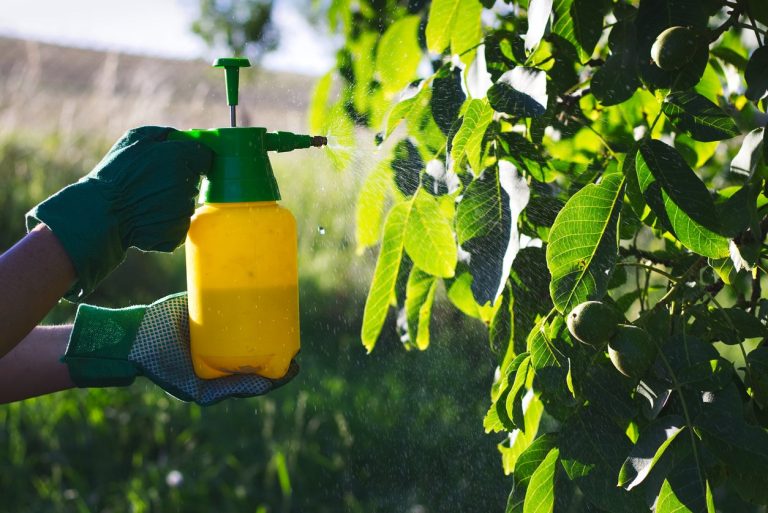
What you need to know about fungicides 

Fungal diseases are a serious problem for crops, leading to big economic losses and affecting food security. These diseases start when fungal spores land on a plant, grow through it, and release more spores that can cause further infections. 

According to Leonard Oberholzer from Bayer Crop Science, fungal infections require three things to occur: the fungus (pathogen), the crop (host), and the right environment, a concept known as the disease triangle. To lower the risk of these infections, farmers use integrated pest management (IPM) techniques. These include crop rotation, using resistant plant varieties, and managing crop residue. 

Fungicides, which help control fungal diseases, come in two main types: 

  1. Contact fungicides: These only work on the surface of plants, creating a barrier to stop fungal spores from growing. They provide temporary protection and can be washed away by rain or degraded by sunlight. 

  1. Systemic fungicides: These are absorbed by the plant and move through it, offering longer-lasting protection against both surface and internal fungal infections. 

Fungicides can also be used in two ways: 

  1. Preventative fungicides: Applied before disease symptoms appear, these protect plants by preventing fungal spores from germinating. 

  1. Curative fungicides: Applied after symptoms show up, these try to stop or slow the progression of the disease but may not completely eliminate it. 

Fungicides work through different mechanisms, categorized into groups: 

  • Multisite inhibitors: Disrupt multiple processes within the fungus, making it hard for fungi to develop resistance. 

  • Single-site inhibitors: Target specific parts of the fungus, offering more targeted control. 

Mixing or rotating fungicides with different mechanisms of action helps manage resistance, which is a major challenge. Resistance can develop if the same fungicide is used repeatedly. 

Safe handling of fungicides is crucial to protect human health and the environment. Farmers should use personal protective equipment (PPE), follow label instructions, apply fungicides properly, store them safely, and dispose of them correctly. 

Overall, using fungicides effectively along with other control methods helps manage fungal diseases and supports sustainable agriculture. 

Article summarized from: https://www.farmersweekly.co.za/farming-basics/how-to-crop/everything-you-need-to-know-about-fungicides/ 

Share:

Categories

More Posts

Empowering community development through sustainable agriculture
04 Jun

Empowering community development through sustainable agriculture

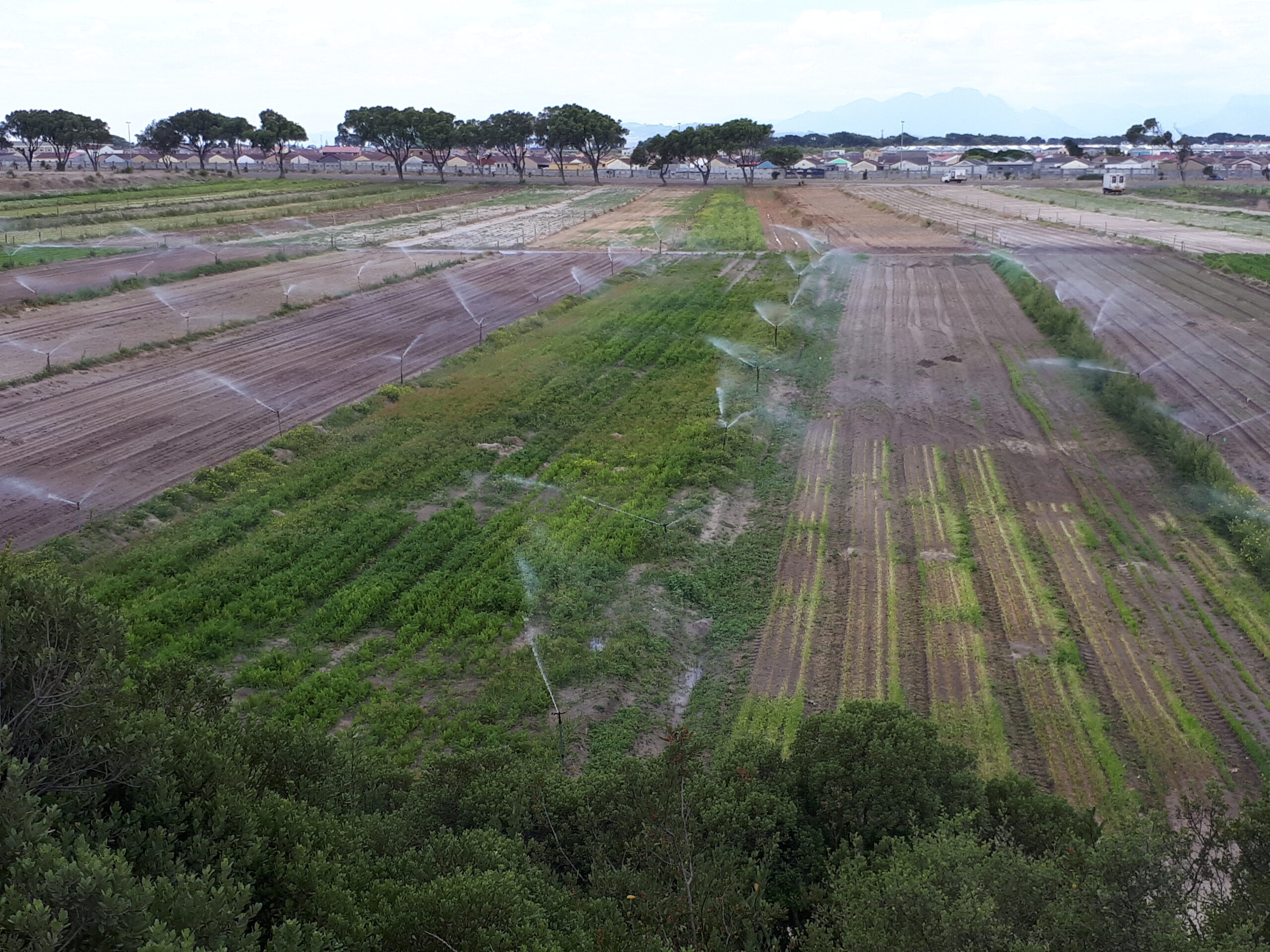
By Devex Partnerships // 27 March 2025. Original article: https://www.devex.com/news/sponsored/empowering-community-development-through-sustainable-agriculture-109689 How do you know you’re having an impact when there are 9 billion

Is regenerative agriculture about growing food without pesticides?
04 Jun

Is regenerative agriculture about growing food without pesticides?

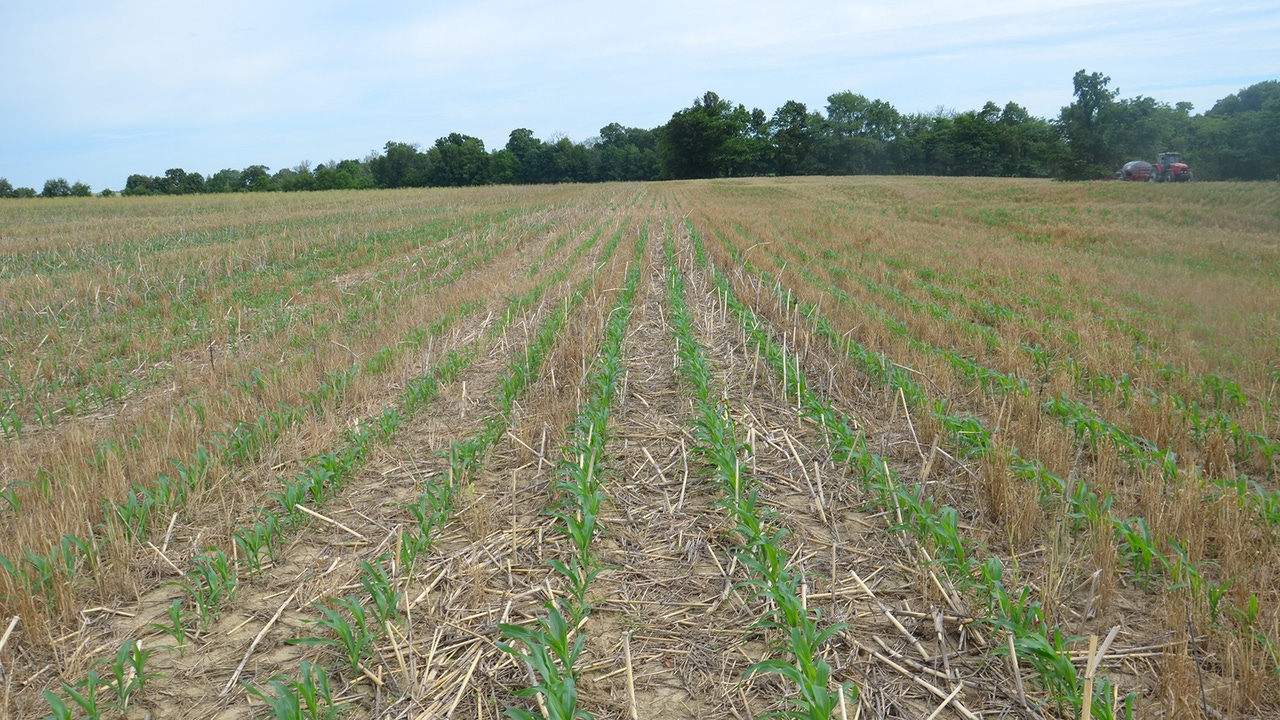
Eric Prostko, March 26, 2025. Original article: https://www.farmprogress.com/weeds/growing-food-without-pesticides- “Regenerative” practices such as crop rotation, cover crops, conservation tillage and integrated

Triggering parasitic plant ‘suicide’ to help farmers
04 Jun

Triggering parasitic plant ‘suicide’ to help farmers

by University of California - Riverside; March 22, 2025. Original article: https://phys.org/news/2025-03-triggering-parasitic-suicide-farmers.html Parasitic weeds are ruthless freeloaders, stealing nutrients from crops

Cover crops contribute to soil health, study shows
12 May

Cover crops contribute to soil health, study shows

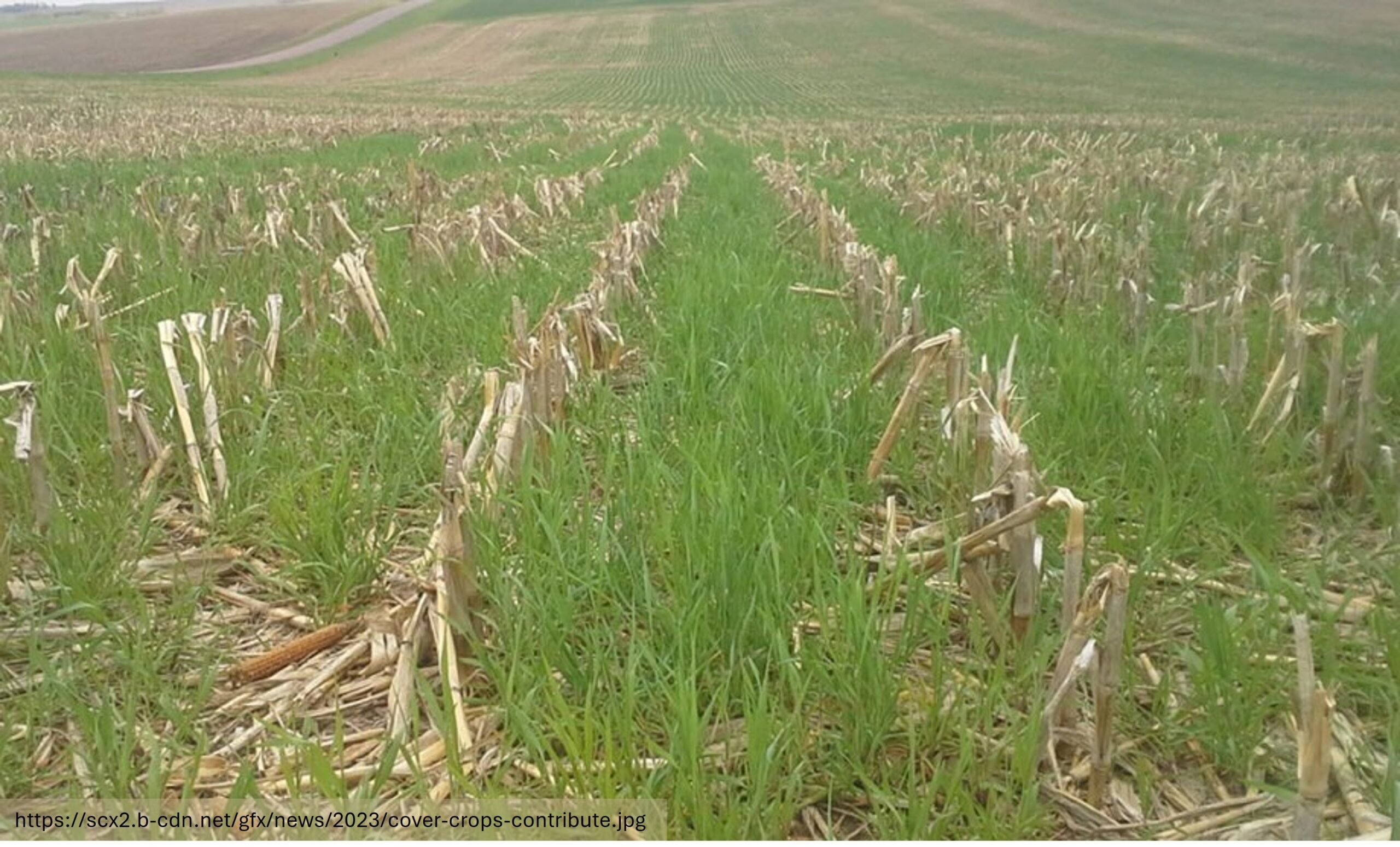
by Addison Dehaven, South Dakota State University. Original Post: https://phys.org/news/2023-06-crops-contribute-soil-health.html Rye cover crops, pictured above, have proven to increase soil organic

Aquaponics basics: Get your system thriving
12 May

Aquaponics basics: Get your system thriving

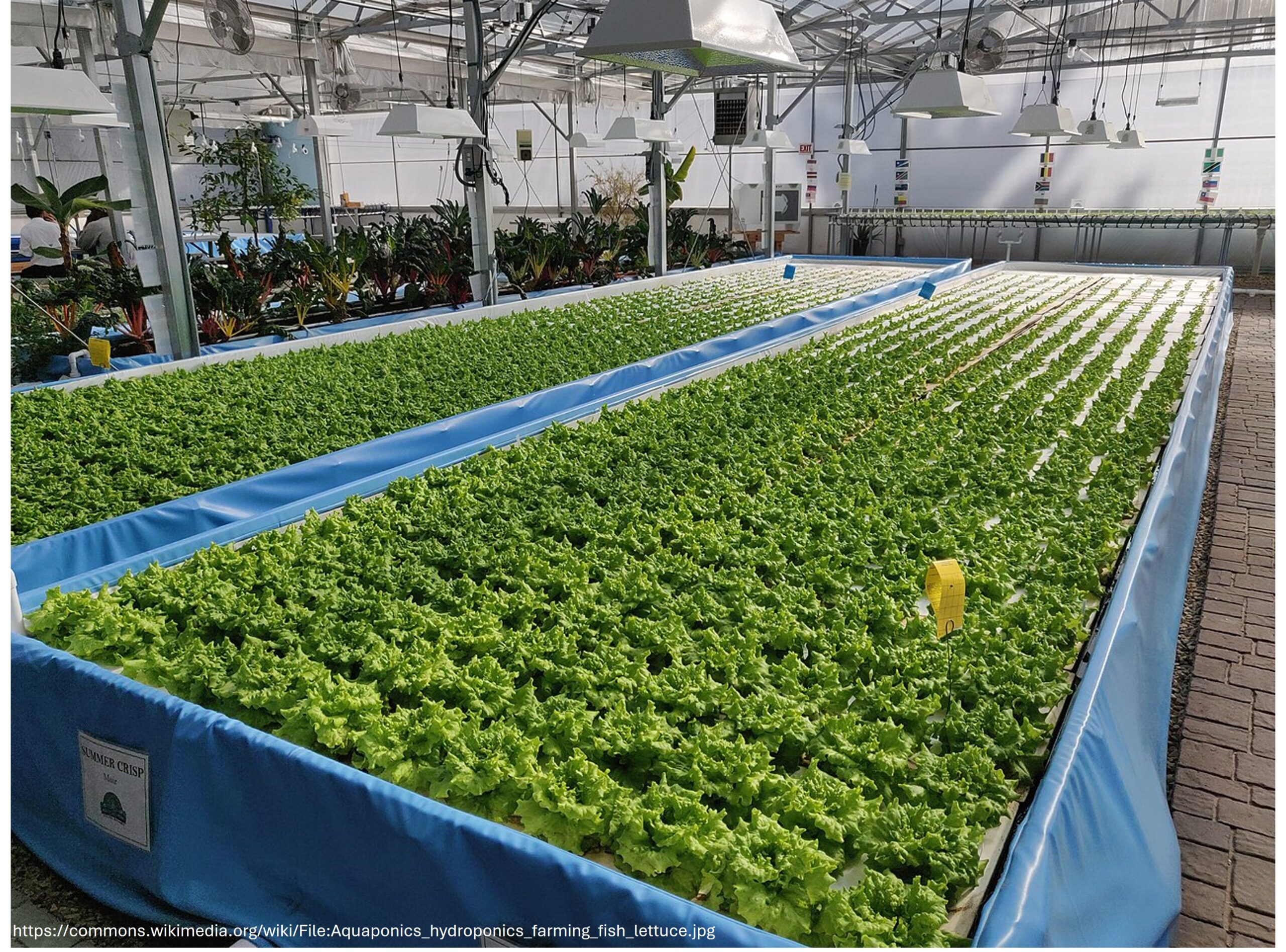
by Patricia Tembo,  29th April 2025. Original Post: https://www.foodformzansi.co.za/aquaponics-basics-get-your-system-thriving/ One of the most compelling reasons to choose aquaponics is its sustainability.

Precision Agriculture: Transforming Farming with AI and Data-Driven Insights
29 Apr

Precision Agriculture: Transforming Farming with AI and Data-Driven Insights

March 10, 2024. Original Link: https://codiant.com/blog/precision-agriculture-transforming-farming-with-ai/ In recent years, precision agriculture has gained prominence within the agricultural industry. This approach

Leave a comment

Your email address will not be published. Required fields are marked *

Greyson2726 @ How Much to Grow?
May 23, 2025 at 11:56 pm
Cool partnership https://shorturl.fm/XIZGD
Very good https://is.gd/N1ikS2
Ivan350 @ How Much to Grow?
April 30, 2025 at 11:04 pm
Very good https://is.gd/N1ikS2
Awesome https://is.gd/N1ikS2